
stroke exercises for legs pdf
- Published
- in PDF
Overview of Stroke and Impact on Legs
Stroke can damage motor cortex, causing hemiparesis that weakens one leg. Reduced strength, tone changes, and impaired coordination hinder walking and balance. Targeted leg exercises in a PDF guide help restore function, improve gait, and promote neuroplasticity. Practice boosts recovery and independence!!
Definition and Common Stroke Types
A stroke, medically known as a cerebrovascular accident, occurs when blood flow to a region of the brain is abruptly interrupted, leading to neuronal injury and potential loss of function. The most widely recognized categories are ischemic strokes, caused by arterial blockage; hemorrhagic strokes, resulting from vessel rupture and bleeding into brain tissue; and transient ischemic attacks (TIAs), brief episodes of ischemia that resolve within 24 hours. Ischemic strokes dominate, accounting for roughly 80–85% of cases, and are further subdivided into thrombotic and embolic events. Hemorrhagic strokes, though less common, carry higher mortality and often involve subarachnoid or intracerebral bleeding. TIAs, while not producing lasting deficits, serve as critical warning signs for impending full‑blown strokes. Understanding these distinctions informs both acute management and long‑term rehabilitation strategies, including targeted leg exercise protocols that can be distributed in a PDF format for patients and caregivers to follow at home. Ischemic strokes arise from thrombus or embolus; thrombotic originates in situ, embolic from heart or aorta. Hemorrhagic strokes subdivide into intracerebral, subarachnoid, subdural, epidural. Risk factors: hypertension, atrial fibrillation, diabetes, smoking, hyperlipidemia. Gender and age distribution: older adults, slight male predominance. Stroke incidence rises with age; about 1 in 6 adults over 65 experience a stroke. The brain’s motor cortex and corticospinal tract are often affected, leading to contralateral weakness. Leg involvement is common due to the representation of lower limb in the motor homunculus. Rehabilitation focuses on restoring leg strength and coordination. Neuroimaging such as CT or MRI distinguishes between ischemic and hemorrhagic lesions, guiding therapeutic decisions like thrombolysis or surgical evacuation. Functional outcomes depend on lesion size, location, and time to treatment; early mobilization and exercise can mitigate secondary complications such as muscle atrophy, joint contractures, and cardiovascular deconditioning. Leg exercises are prioritized because lower limb function is essential for ambulation, balance, and independence in activities of daily living. The PDF format allows clinicians to provide step‑by‑step instructions, diagrams, and progress tracking sheets, ensuring consistency and adherence outside the clinic. Patients often report improved confidence and motivation when they can see measurable gains in leg strength and mobility. Collaborative care involving neurologists, physiatrists, and physical therapists tailors leg exercise regimens to individual deficits and goals.
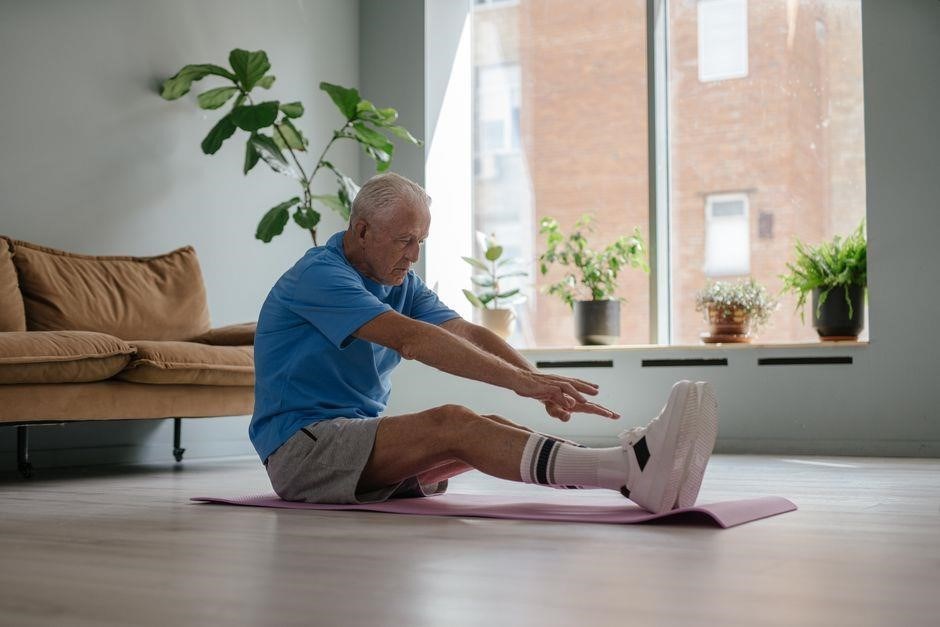
Motor Weakness and Hemiparesis in Lower Extremities
After a cerebrovascular event, the corticospinal tract may be damaged, producing hemiparesis that predominantly affects the lower limb on the contralateral side. Patients often report a “popping” or “stiff” sensation, followed by a gradual loss of voluntary control. The resulting motor weakness manifests as reduced dorsiflexion, knee extension, and plantarflexion, impairing gait initiation and balance. Research indicates that targeted leg exercises—performed consistently—can stimulate neuroplasticity, enhance muscle recruitment, and restore functional mobility. High‑repetition, task‑specific drills, such as seated ankle pumps, standing calf raises, and assisted walking, are recommended to maintain joint range of motion and build strength. Clinicians emphasize that the program should match the individual’s current ability level, progressing from seated movements to standing drills as tolerance improves. Safety is paramount: proper form, gradual resistance increases, and supervision during the early stages reduce the risk of falls or muscle strain. Longitudinal studies show that patients who adhere to a structured leg‑exercise PDF can experience measurable gains in walking speed, step length, and balance confidence even months or years after the initial event. Thus, a well‑designed, printable exercise guide becomes a vital tool for patients, caregivers, and therapists to collaborate on sustained recovery. Regular practice enhances confidence, endurance, independence daily!!!.

Benefits of a Dedicated Leg Exercise PDF
Printable guides give instant access to structured routines, visual cues, and step‑by‑step instructions, enabling patients to practice safely at home. They boost adherence, track progress, and empower caregivers, fostering confidence and faster recovery.!!!!!
Accessibility and Structured Guidance
Stroke‑related leg weakness demands consistent, supervised practice, yet many patients lack access to in‑person therapy. A downloadable PDF solves this barrier by offering a self‑contained, printable exercise manual that can be used in any setting—home, clinic, or community center. The format eliminates the need for expensive equipment or continuous internet connectivity, making it ideal for rural or low‑resource environments. Each page presents clear, step‑by‑step instructions paired with simple illustrations, allowing users to verify proper form without a therapist’s constant presence. The guide is organized into progressive stages, starting with seated range‑of‑motion movements and advancing to standing strengthening drills as strength and confidence grow. By following a structured routine, patients can track repetitions, monitor progress, and adjust intensity safely. The PDF’s layout also includes safety reminders, such as maintaining posture, avoiding over‑exertion, and recognizing signs of fatigue or pain. This combination of accessibility and structured guidance empowers patients to take ownership of their recovery while ensuring exercises remain effective and injury‑free. The PDF also offers a quick‑reference checklist that patients can tick off after each session, reinforcing consistency and providing a visual cue of progress. Additionally, it includes motivational tips and reminders to hydrate, rest, and celebrate small milestones, which can boost morale and adherence. For those who prefer audio guidance, the PDF links to short narrated segments that explain each movement in detail. Finally, the guide encourages patients to involve family members or caregivers in the routine, fostering a supportive environment that can help maintain motivation and accountability—staystrong

Inclusion of Visuals and Step‑by‑Step Instructions
Stroke survivors often struggle with motor planning and muscle memory, especially when relearning lower‑extremity movements. A PDF that pairs concise, numbered steps with clear images addresses these challenges directly. Each exercise page begins with a brief objective, followed by a sequence of actions written in plain language. Illustrations—drawn or photographed—show the starting pose, the movement arc, and the end position, ensuring that patients can verify alignment without a therapist’s eye. The step‑by‑step layout mirrors the progressive approach recommended by physical therapists: start with seated range‑of‑motion motions, then transition to standing strengthening drills as strength improves. By breaking each exercise into discrete, repeatable motions, the guide reduces cognitive load and helps patients focus on form rather than the entire movement. The visuals also highlight common pitfalls—such as knee hyperextension or loss of balance—so users can self‑correct. Additionally, the PDF incorporates quick‑reference icons that indicate recommended repetitions, rest intervals, and progression cues. This visual shorthand accelerates learning and keeps patients engaged. Finally, the guide links to short video clips that demonstrate the same movements in real time, providing an extra layer of confirmation for those who prefer dynamic examples. Together, the step‑by‑step instructions and visuals create a comprehensive, user‑friendly resource that supports safe, effective leg rehabilitation after stroke. It also offers checklists now.
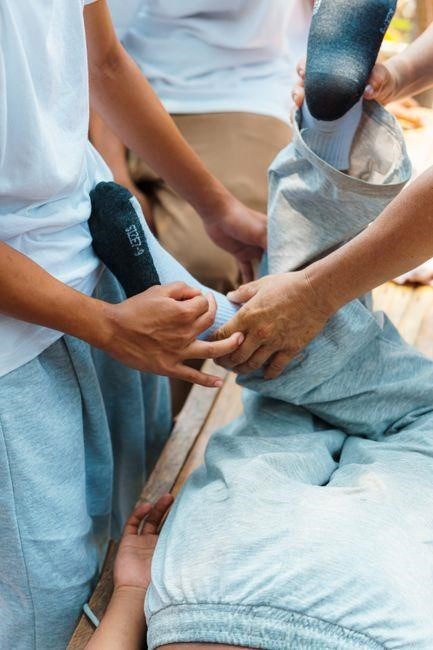
Fundamental Leg Exercises for Stroke Patients
Core seated and standing leg exercises for stroke recovery are listed. Seated ankle pumps, knee extensions, and hip flexion lifts build mobility. Standing calf raises, mini squats, and balance drills enhance strength, proprioception, and gait stability. Progress gradually. Repeat 10 times, rest 30s per set !.
Seated Range-of-Motion Movements
To enhance endurance, incorporate seated marching: lift each knee to hip height, alternating legs, for 30 seconds, then rest. For balance, practice standing on a stable surface, shifting weight from one foot to the other, holding each position for 5 seconds. Use a chair for support if needed. Gradually reduce reliance on the chair as strength improves. Monitor heart rate and fatigue, ensuring safe progression. Record each session in a log to track gains and adjust intensity accordingly. Keep up daily.
Standing Strengthening Drills
Begin with a stable surface, such as a sturdy chair or countertop, to provide balance support. Perform single‑leg stands: lift the affected leg slightly off the floor, hold for 5 seconds, then lower. Repeat 10 times, alternating legs. Progress to double‑leg stands, holding for 10 seconds as tolerance improves. Add double‑leg stands, holding for 15 seconds as tolerance improves. Incorporate ankle pumps: flex and extend the ankle while standing, 20 repetitions per leg, to stimulate calf muscles. Add seated‑to‑standing transitions: sit on a chair, rise without hands, 10 reps, focusing on control. Finally, integrate heel‑to‑toe walks, 10 steps forward and back, to promote gait symmetry. Monitor for dizziness or fatigue, and adjust repetitions accordingly. Record progress in a dedicated log to track strength gains and inform future sessions.
Use a resistance band for seated hip abductions, 15 reps per side, to strengthen abductors. Incorporate ankle pumps: flex and extend ankle while standing, 20 reps per leg, to stimulate calf muscles. Add seated‑to‑standing transitions: sit on a chair, rise without hands, 10 reps, focusing on control. Perform heel‑to‑toe standing balance drills, holding each position for 15 seconds, repeat 5 times per leg. Use a wall or chair for support if needed, gradually reducing reliance on the wall as confidence builds. Keep a daily log of distance and perceived effort to monitor progress daily.

Progression Strategies and Safety Measures
Start with low resistance, increase by 10% each week. Use a mirror to check form, avoid hyperextension. If pain occurs, pause and reassess. Record reps, sets, and perceived effort. Gradual progression promotes neuroplasticity while minimizing injury risk.

Gradual Increase in Resistance and Repetitions
When following a stroke leg exercise PDF, begin each routine with the lowest resistance band or body‑weight movement that the patient can perform comfortably. Document the starting load and the number of repetitions completed in a log. After each session, assess fatigue, pain, and joint stability. If the patient reports no discomfort and can complete the prescribed reps with good form, increase the resistance by approximately 5–10% or add one additional repetition per set. This incremental approach aligns with neuroplasticity principles, allowing the nervous system to adapt without overloading the compromised musculature. Use a consistent schedule—typically three sessions per week—to provide enough stimulus for strength gains while allowing adequate recovery. Periodically re‑evaluate the patient’s progress; if strength improves by 15–20% over a month, consider a larger jump in resistance, but always return to the previous level if any pain or loss of control occurs. Keeping a detailed log of resistance, repetitions, and subjective effort helps therapists tailor future sessions and ensures safety throughout the rehabilitation journey. By consistently applying these progressive adjustments, patients can observe measurable improvements in leg strength, balance, and confidence over weeks and months. Recording each session not only informs therapists but also empowers patients to track progress, celebrate milestones, and stay motivated throughout their recovery journey. This approach ensures that therapy remains patient‑centered and evidence‑based!!!
Monitoring Form and Preventing Injury
Proper technique is essential to protect the affected leg and surrounding joints during stroke rehabilitation. Begin each exercise by aligning the knee over the toes, keeping the spine neutral, and engaging core muscles. Use a mirror or video feedback to confirm correct posture. If the patient feels any sharp pain or excessive fatigue, stop immediately and reassess the movement pattern. Gradual progression of load should be balanced with joint integrity; a sudden increase can lead to sprains or muscle strains. Encourage the patient to pause between sets, hydrate, and perform gentle warm‑up stretches before resistance work. Record any deviations in form and provide corrective cues such as “lift the heel” or “maintain a straight knee.” If a patient’s gait shows asymmetry, adjust the exercise angle or provide assistive devices like resistance bands or ankle weights. Regularly review the exercise log with the therapist to identify trends in pain or instability. By maintaining strict form, monitoring fatigue, and adjusting resistance appropriately, the risk of injury is minimized while maximizing functional gains from the stroke leg exercise PDF. This proactive approach ensures safe, effective progress toward independent mobility!!!

Supplementary Resources and Support Systems
Explore therapist-recommended videos, community forums, and online support groups to complement the PDF. Video demos clarify form, while forums share real-world tips. Engage with local stroke clubs or virtual meet-ups for motivation, accountability, and shared progress tracking. Join local support groups for encouragement!!.
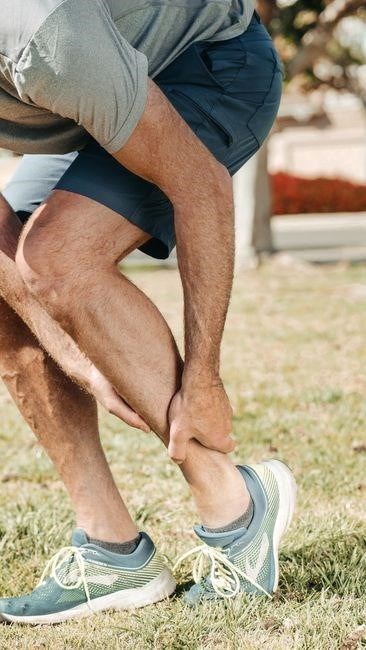
Therapist-Recommended Videos and Demonstrations
For patients and caregivers seeking visual guidance, sources provide concise, therapist‑approved video demonstrations that complement the PDF exercise plan. Flint Rehab hosts clips, each 30–90 seconds, showing proper form for seated ankle pumps, seated knee extensions, standing hip abductions, and balance‑supporting stance drills. The videos emphasize cues such as keeping the back straight, engaging core muscles, and maintaining a breathing rhythm. Each clip includes a caption explaining the target muscle group, intended benefit, and safety reminders, like checking for pain or over‑extension before proceeding. Viewers can pause and replay segments to ensure correct joint alignment and observe muscle activation patterns, reinforcing proprioceptive during practice. These videos often feature side‑by‑side comparisons of the correct movement against common mistakes, allowing viewers to self‑correct in real time. Additionally, many clips include a timer overlay, encouraging patients to maintain each position for a set duration, which helps build endurance. For those who prefer a more guided approach, the PDF includes a printable checklist that aligns each video with specific exercise goals, ensuring a structured progression. Finally, patients are encouraged to share their video recordings with their therapist for personalized feedback, fostering a collaborative rehabilitation journey. This primes the motor cortex and reinforces neural pathways before physical effort. The videos also highlight common safety pitfalls, such as lifting the knee too high or twisting the ankle, which can lead to strain or falls. Now!
Community and Online Support Groups
Engaging with peer communities can amplify motivation and provide real‑world insights into daily leg‑exercise routines. Many stroke survivors join dedicated Facebook groups, such as “Stroke Recovery – Leg Strength” or “Stroke Survivors & Families,” where members post progress updates, share printable PDFs, and discuss how to adapt exercises for home use. These groups often host live Q&A sessions with physiotherapists who answer questions about proper form, progression, and safety. In addition, specialized forums on platforms like Reddit’s r/stroke offer moderated discussions where users can anonymously post video clips of their leg movements for peer feedback. Online support groups hosted by national stroke associations—such as the American Stroke Association’s “Stroke Recovery Community” or the Canadian Stroke Foundation’s virtual meet‑ups—provide structured resources, including links to downloadable PDFs and video libraries. Many of these organizations run webinars featuring experts who demonstrate leg‑specific exercises, explain the neuroplasticity benefits, and outline how to integrate them into a daily routine. Participants also benefit from shared success stories, which can inspire adherence to the PDF’s progressive plan. Finally, mobile apps like “Stroke Recovery” offer push notifications reminding users to perform their leg exercises, track milestones, and connect with a global network of peers. By combining the PDF’s step‑by‑step guidance with the encouragement and accountability of online communities, patients can sustain long‑term engagement and accelerate functional recovery.

Moreover, many groups schedule exercise buddy pairings, allowing participants to practice together video calls. This social element reduces isolation, promotes consistency, and lets users celebrate milestones. Regular check‑ins also help therapists monitor progress, ensuring the PDF’s exercises remain aligned with evolving strength levels. :)?